
We investigate how contemporary Finnish literature portrays forests and human-forest relationship.
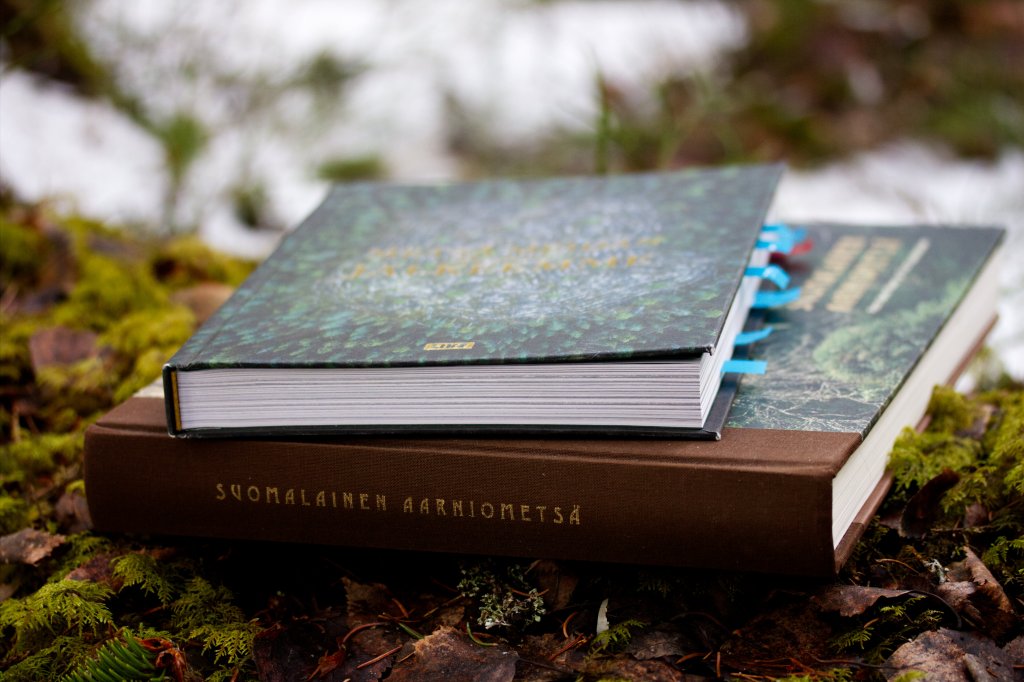
The literary research project The pencil I write with is a felled tree – Knowledge produced by contemporary Finnish literature about forests and human-forest relationships as part of the cultural sustainability transformation is funded by the Kone Foundation.
Our literary research project explores how contemporary Finnish literature depicts and represents forests and human–forest relationships. We focus on four key genres: novels, poetry, narrative non-fiction, and children’s literature. In our research, we aim to offer new insights into the cultural significance of forests in Finland and to contribute to the promotion of more ecologically sustainable human–forest relationships.
The project is led by Professor Sanna Karkulehto at the University of Jyväskylä, with researchers based at three Finnish universities: Jyväskylä, Turku, and Helsinki.
In Finland, human-forest relationships are undergoing a significant transformation, leading to new forms of politicization of forests. Increasingly, public and scholarly attention is being directed toward biodiversity loss and the decline of forest species. Forest-related issues in Finland are deeply intertwined with political and economic concerns, largely due to the influential role of the forest industry in society. Furthermore, natural scientists have criticized the ecological sustainability of current forestry practices, arguing that substantial changes are needed.
While political action is essential to promote more sustainable forest use, a broader cultural shift is equally necessary. Achieving sustainability in forest culture requires individuals and communities to re-evaluate and transform their practices, perceptions, values, and meanings associated with forests—toward approaches that are both ecologically and socially sustainable. In this context, literature and literary studies have a vital role to play in producing new knowledge and shaping public discourse and ways of thinking about forests.
Forests and the transformation of human-forest relations can be clearly seen in contemporary Finnish literature. Dystopian narratives depict damaged natural environments, while other works engage directly with themes of forest management and industrial practices. Forest imagery is abundant in poetry and children’s literature, often carrying both literal, and metaphorical and figural significance, and forests continue to carry mythological meanings in literary texts. Fiction also explores emotional and affective dimensions of forest experiences. In addition, the past two decades have seen the publication of numerous significant works of narrative non-fiction focused on forests and nature conservation.
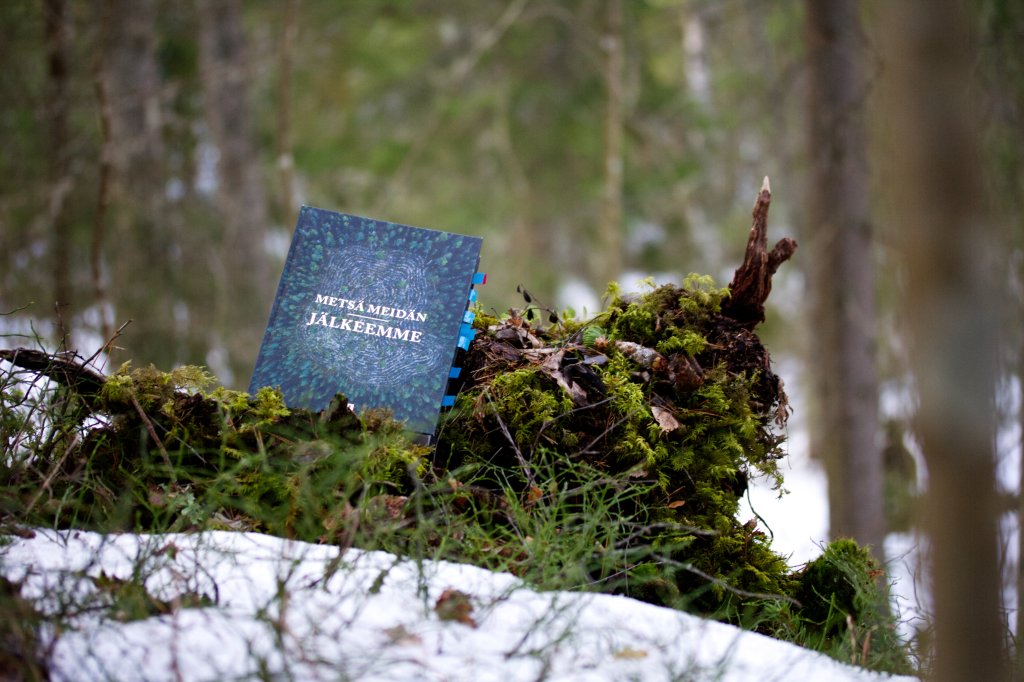
Our project explores how forests and human-forest relationships are represented and imbued with meaning in contemporary literary and non-fiction works. We aim to demonstrate that Finnish literature and literary scholarship addressing these themes can offer valuable insights into forests and the ongoing sustainability transition, complementing research from other disciplines. We also propose that literature can actively contribute to fostering a more sustainable forest culture.
The literary scholars involved in the project collaborate with writers, journalists, activists, and sustainability and environmental researchers from a range of fields. This interdisciplinary approach strengthens the project’s capacity to engage with both ecological and cultural dimensions of forest-related issues.
Kynä, jolla kirjoitan is situated within a broader societal conversation about the role of literature in responding to the environmental crisis and supporting the cultural transformation it demands. The project offers insights into how literature functions both as a reflective surface of history and the present, while also looking toward the future and actively producing new knowledge and perspectives on relationships with forests and human-forest relationships. on human-forest relationships. In doing so, it contributes to shaping the cultural foundations of sustainability.
 Kynä, jolla kirjoitan, on kaadettu puu